
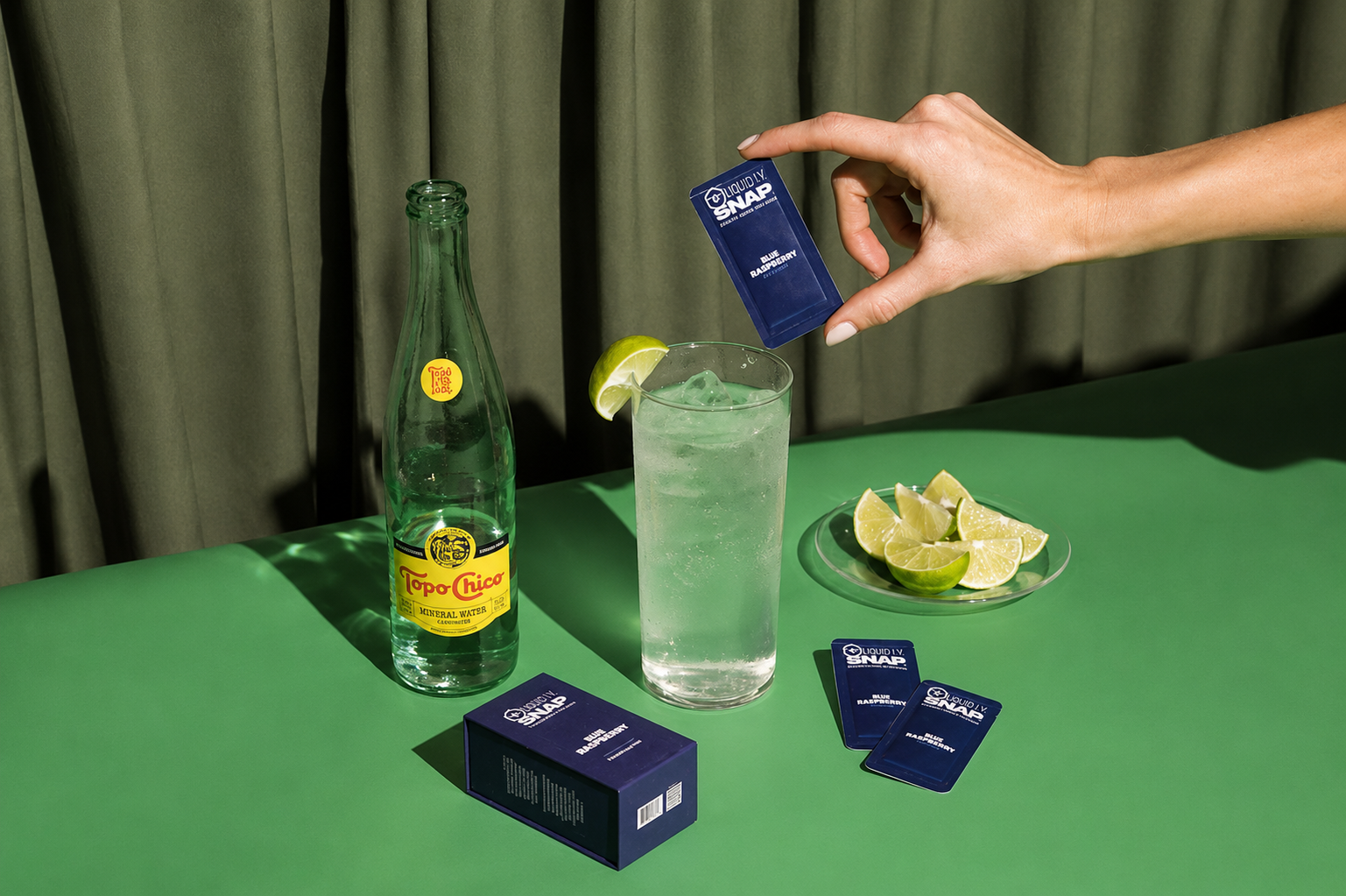
What Are THC Drinks and How Do They Work?
Introduction — THC Drinks, Explained Simply
THC drinks have moved from niche curiosity to a genuine daily-lifestyle category over the past couple of years, but the mechanics behind them still confuse a lot of first-time buyers. How does THC actually get into a liquid? Why do some drinks hit in fifteen minutes while others take an hour? And what's the difference between a can you crack open and a mixer you drop into whatever you're already drinking? This guide answers those questions directly, using the Beezy Snaps THC/CBD Bevvy Booster format as a concrete example of how the modern THC drink category actually works, from the science behind emulsification to the practical, everyday habits that make a THC drink routine easy to stick with rather than easy to forget.

What Makes a Drink a 'THC Drink'
A THC drink is any beverage infused with THC, most commonly hemp-derived Delta-9 THC, in a form designed to mix evenly into liquid rather than separating out the way oil-based THC would in water. The category spans several formats: pre-made cans that come already infused, and drink mixers, snap-style boosters, or drops designed to be added to a beverage of your choice. Both approaches deliver THC through the same basic pathway once consumed, but they differ meaningfully in flexibility and control.
Mixer-style formats in particular give the drinker more say over the final beverage — sparkling water, a mocktail, an actual cocktail, or a soda can all become the base, with the THC and CBD dose added on top rather than locked into a single pre-made flavor.
How THC Gets Into a Beverage in the First Place
THC on its own doesn't dissolve in water — it's fat-soluble, which is why raw cannabis extract separates out in a liquid rather than blending in. To solve this, THC beverage makers use emulsification, breaking THC down into microscopic droplets and surrounding them with a compound that lets them disperse evenly through water-based liquid instead of floating or clumping. This is what allows a THC drink to look, pour, and mix exactly like a normal beverage instead of behaving like oil poured into water.
This emulsification process is also part of why format matters for consistency. A well-made, evenly emulsified product delivers a more predictable dose sip to sip, compared to a poorly mixed one where the THC concentration might vary from the top of a glass to the bottom.
What Happens in Your Body After You Drink It
Once consumed, a THC beverage is absorbed through the digestive system, similar to an edible, though liquids move through the stomach and begin absorption faster than solid food does. The liver processes THC into 11-hydroxy-THC, a metabolite that's more potent and longer-lasting than the original compound, which is part of why beverage and edible effects tend to feel different, and often stronger per milligram, than inhaled cannabis.
Because this process runs through digestion rather than the lungs, the onset is inherently slower and more gradual than smoking or vaping, but it's also generally more predictable once you understand the typical timeline for the specific product you're using.
Why Some THC Drinks Hit Faster Than Others
Onset time varies based on formulation, body composition, hydration, and whether you've eaten recently. Most modern water-soluble or nano-emulsified THC drinks land in the 15 to 45 minute range for most people, which is considerably faster and more predictable than traditional solid edibles, which can take anywhere from 45 minutes to two hours. A snap-style booster mixed directly into a cold drink, for example, is designed around that faster absorption window, with most people starting to feel effects around the 30-minute mark.
Because onset still varies person to person, it's worth treating any stated timeframe as a general guide rather than a guarantee, and giving a full dose time to develop before deciding whether to add more.

Drink Mixers vs Pre-Made Cans: Two Different Approaches
Pre-made THC cans offer simplicity — crack it open and the dose, flavor, and format are fixed from the start. Mixer-style formats trade some of that simplicity for flexibility: a snap, drop, or powder that you add to a beverage you're already drinking gives you control over the base flavor, the total liquid volume, and how concentrated the final drink ends up being.
This flexibility is also why mixer formats work well for people who want to build THC into an existing routine rather than replacing what they'd normally drink. Adding a mixer to sparkling water, a mocktail, or an existing cocktail base means the THC drink experience fits around your existing habits instead of requiring you to switch to an entirely new beverage. For inspiration on how to combine a mixer with different bases, the recipes page walks through several practical combinations.
Understanding Dosage: Start Low, Go Slow
THC drink dosages typically range from a few milligrams up to significantly higher potencies aimed at more experienced consumers. For anyone new to the category, starting at the lower end of that range and waiting the full onset window before deciding whether to add more is the standard, sensible approach recommended across the category. A snap or mixer formatted around a specific milligram count per unit makes this easier than judging a fraction of a pre-made can, since each unit represents a known, consistent amount.
One practical advantage of a stackable format is that it puts pacing decisions directly in your hands — you can start with a single unit for a lighter effect and add a second only if, after waiting, you decide you want more, rather than committing to a full dose all at once.
THC and CBD Together: Why the Ratio Matters
Many modern THC drinks, including formats built as a 1:1 blend of Delta-9 THC and full-spectrum CBD, use CBD specifically to shape the overall experience. CBD is commonly reported to smooth out some of the more intense or anxious-feeling edges some people associate with THC on its own, which is part of why balanced-ratio formats are increasingly common in the daily-use beverage category rather than THC-only formulations.
Understanding the ratio in whatever product you're using is genuinely useful information, not just marketing language, since it directly shapes how the effect actually feels rather than just how strong it is.
Building THC Drinks Into a Daily or Weekly Routine
For people incorporating THC drinks into a regular lifestyle rather than an occasional treat, format and portability matter as much as dosage. Compact, pocket-sized formats that can be added to whatever you're already drinking — at home, at a friend's place, or while traveling — remove a lot of the friction that comes with needing a specific pre-made can on hand. That portability is also why formats designed to be TSA-compliant and travel-ready have become popular among people who want a consistent option regardless of where they are.
Reviewing your product's COAs (certificates of analysis) is a good habit to build into a routine, since it confirms exactly what's in the product you're using regularly, not just what the label claims.

Why Portability Changed the Category
For most of the THC beverage category's early years, portability meant carrying an entire pre-made can, which is fine at home but genuinely inconvenient anywhere else — a flight, a hike, a friend's apartment where you don't want to show up with a six-pack. Pocket-sized, snap-open formats solved that problem by separating the THC dose from the liquid entirely. You carry the dose, and the beverage comes from wherever you already are, whether that's a hotel minibar, a picnic cooler, or a coffee shop's sparkling water.
This shift matters more than it might seem for anyone trying to build THC into a genuinely regular routine rather than an occasional, planned-around event. A format that fits in a wallet or a small bag removes the last real obstacle to consistency: needing to plan your day around carrying a beverage. That's a meaningful difference between a product you use every so often and one that actually becomes part of your week.
Safety Basics Everyone Should Know Before Trying One
A few ground rules apply across the entire THC drink category regardless of brand or format. These products are intended for adults 21 and older, should be kept away from children and pets, and shouldn't be combined with alcohol, since mixing the two can intensify effects in unpredictable ways. Don't drive or operate machinery after use, and if you're pregnant, nursing, taking medication, or managing a medical condition, talk to a doctor before adding a THC drink to your routine. THC beverages will also result in a positive drug test, which is worth knowing if that's a consideration for your job or other circumstances.
For anyone still working out where THC drinks fit into their life, reviewing the brand's About Us page and full FAQ list is a reasonable next step before placing a first order, since it covers the specifics of formulation, sourcing, and legal status in more detail than a single blog post can.
Conclusion — A Format Built for Control
At its core, a THC drink works by delivering emulsified THC through your digestive system, typically faster and more predictably than a solid edible, and increasingly in formats — like pocket-sized mixers — designed to give you direct control over dose, base beverage, and pace. Understanding the basic mechanics behind how these products work makes it much easier to use them intentionally, whether that means a single light snap in a sparkling water or building toward a more established routine over time. Ultimately, the appeal of the modern THC drink category comes down to choice: you're no longer limited to a single pre-made flavor or a fixed dose you can't adjust, and understanding how these products actually work behind the scenes makes it much easier to choose intentionally rather than by trial and error.
FAQs
How long does it take for a THC drink to kick in?
Most people start feeling effects within 15 to 45 minutes, depending on the product, your body, hydration, and whether you've eaten recently.
What's the difference between a THC drink mixer and a pre-made THC can?
A pre-made can comes with a fixed dose and flavor already combined, while a mixer lets you add THC to a beverage of your choice, giving you more control over flavor and total liquid volume.
Can I mix a THC drink with alcohol?
It's not recommended. Combining THC and alcohol can intensify effects in unpredictable ways and increase the risk of an uncomfortable experience.
Are THC drinks with CBD different from THC-only drinks?
Yes. Products that combine THC and CBD, often in a balanced ratio, are commonly reported to feel smoother than THC alone, since CBD can help soften some of the more intense effects.
Are THC drinks legal?
Products made with hemp-derived Delta-9 THC containing less than 0.3% THC by dry weight are federally legal under the 2018 Farm Bill, though state laws can vary.
How much THC should a beginner start with?
Beginners should start with the lowest available dose, wait the full onset window before consuming more, and increase gradually only after understanding how their body responds.
Read more
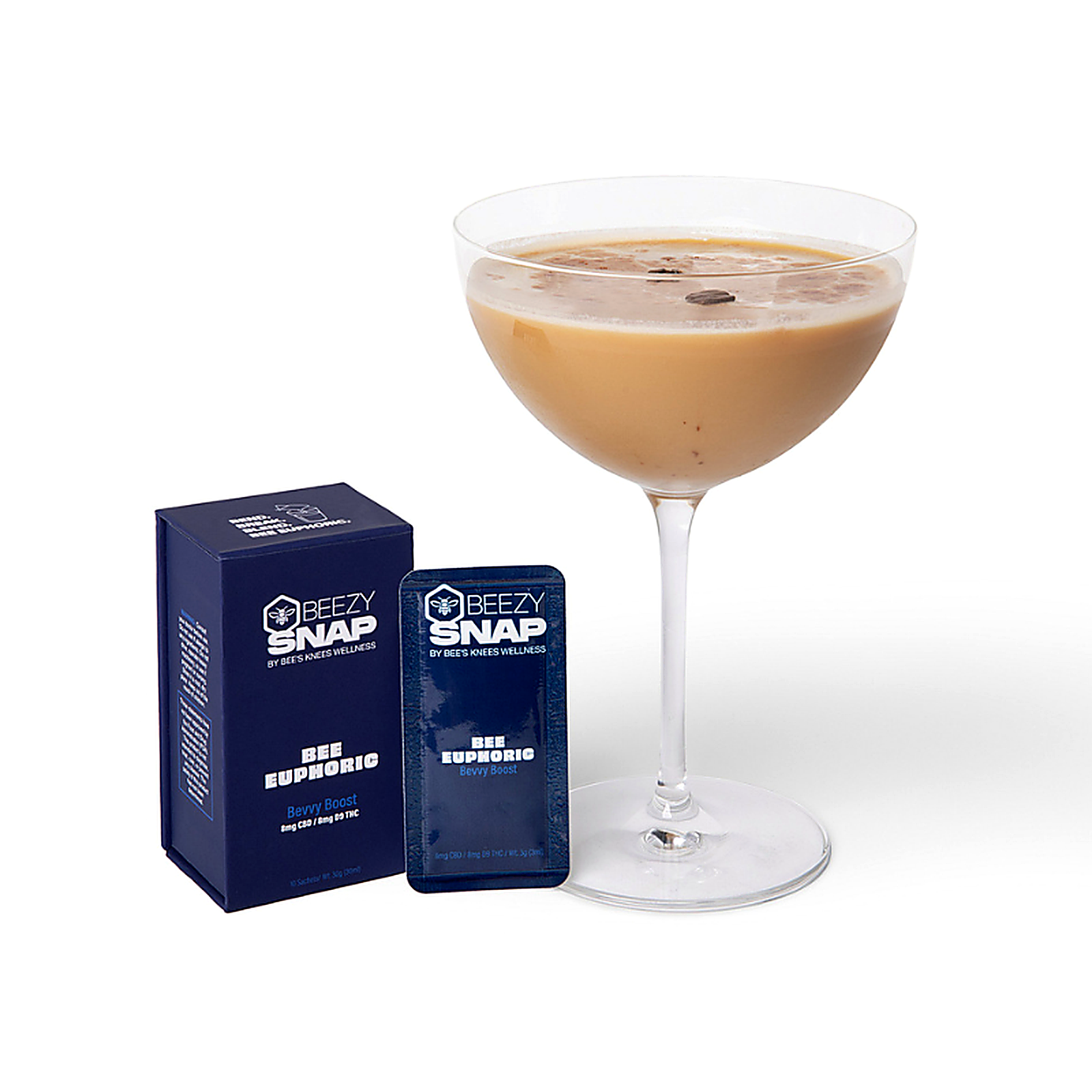
Introduction: The Question Everyone's Asking "Is this legal?" It's one of the first questions people ask when they discover hemp-derived THC products for the first time. And it's a fair question — ...
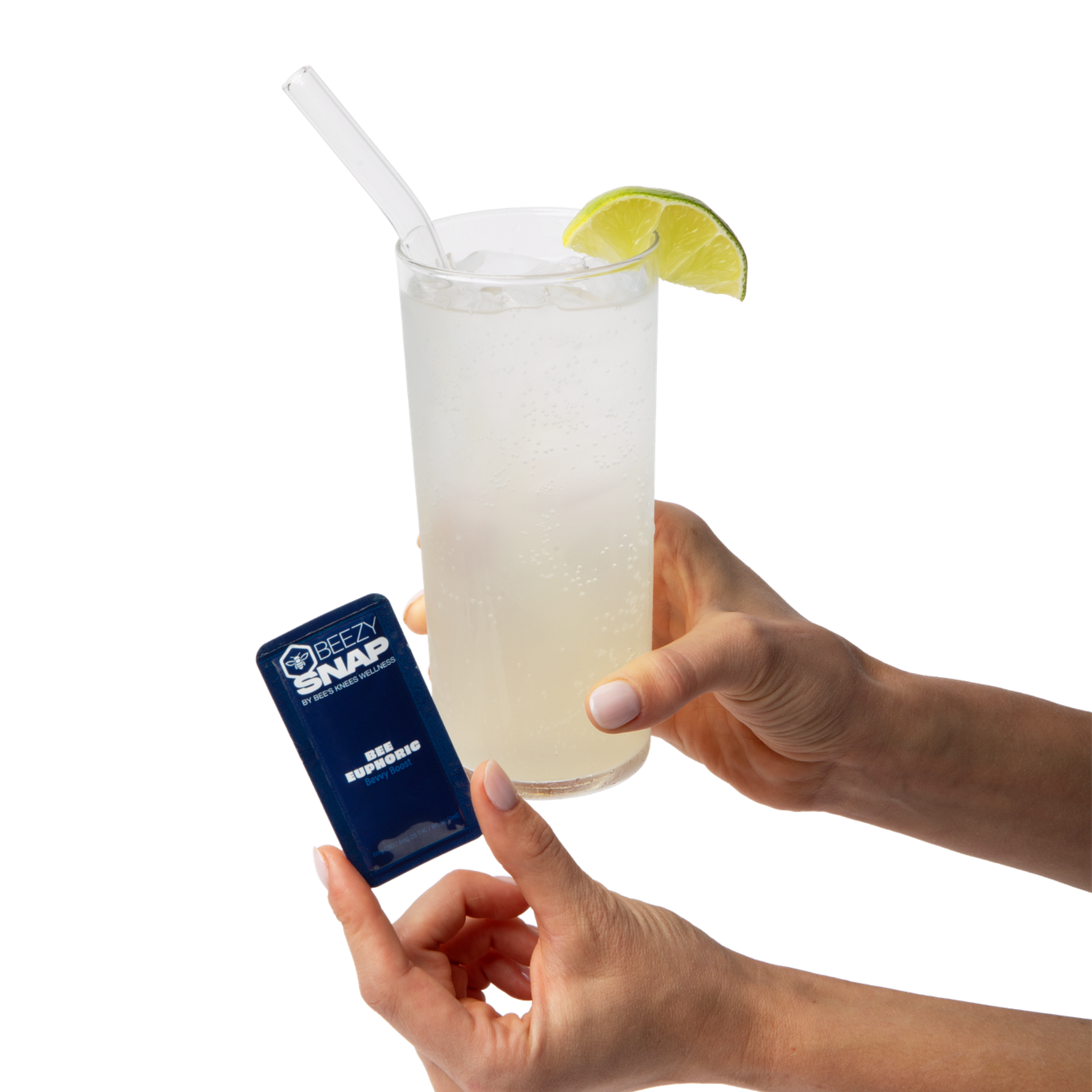
Introduction — A Question Worth Asking Before You Snap One Open THC drink mixers have become a popular, low-commitment way to add a light lift to any beverage, but one question comes up constantly ...