
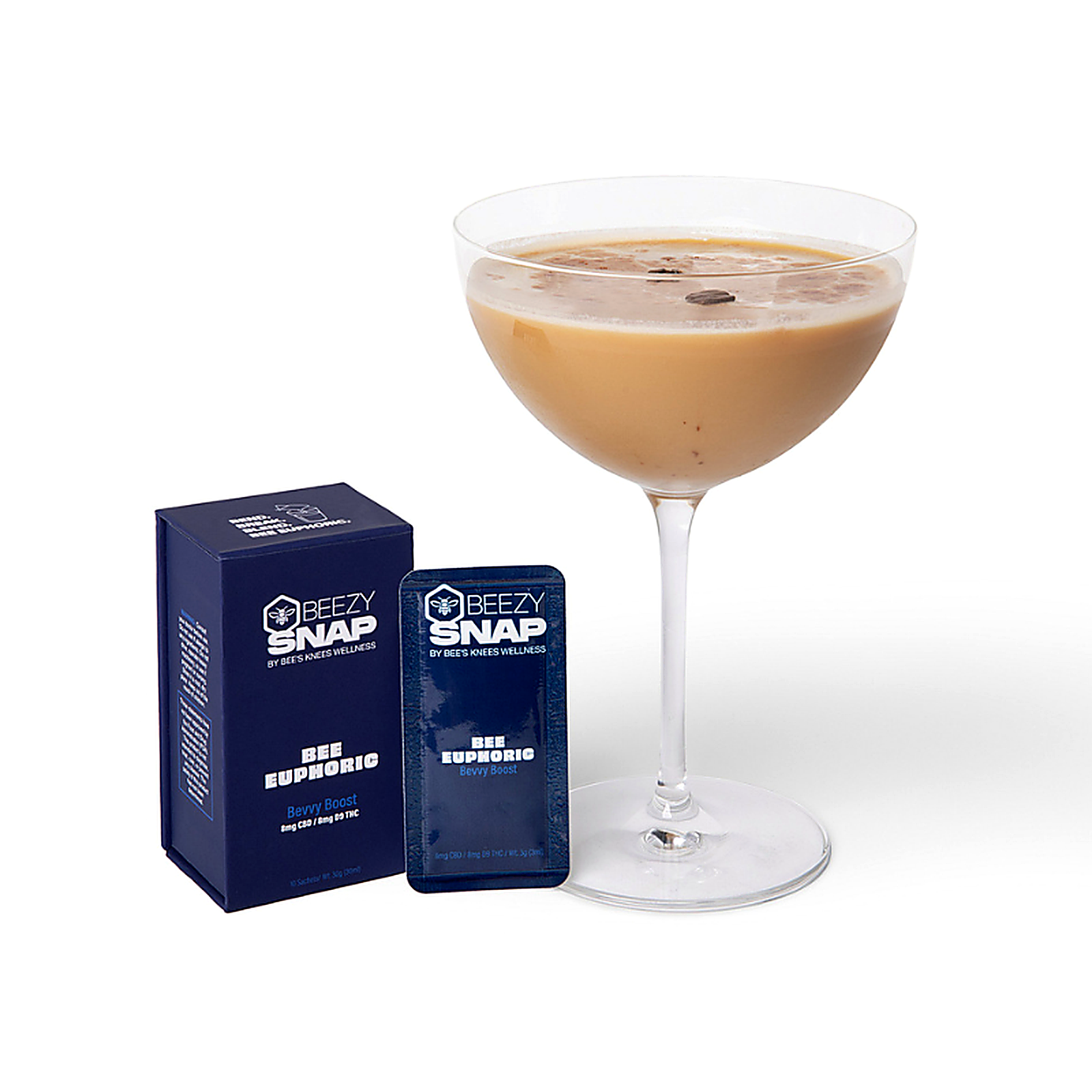
Is Delta-9 THC Legal? Everything You Need to Know About Hemp-Derived THC
Introduction: The Question Everyone's Asking
"Is this legal?" It's one of the first questions people ask when they discover hemp-derived THC products for the first time. And it's a fair question — the legal landscape around cannabis in the United States has changed dramatically in recent years, and the nuances can be confusing even for people who follow the space closely.
 The short answer is yes: hemp-derived delta-9 THC is federally legal under the 2018 Farm Bill, provided it meets specific requirements. But the full picture is more nuanced, and understanding it will help you make informed decisions about the products you choose — including Beezy Snaps, which are formulated to meet federal compliance standards.
This guide breaks down everything you need to know about the legality of delta-9 THC, how the federal framework works, what third-party testing means in practice, and how to verify that the products you're using are genuinely compliant.
What Is Delta-9 THC?
Delta-9 tetrahydrocannabinol — commonly known as delta-9 THC — is the primary psychoactive compound found in cannabis plants. It's responsible for the characteristic "high" associated with cannabis use, and it interacts with the body's endocannabinoid system by binding to CB1 receptors in the brain and nervous system.
Delta-9 THC occurs naturally in both marijuana and hemp plants. The critical legal distinction, as we'll explore in the next section, is not what the compound is — it's where it comes from and in what concentration it exists.
When consumed responsibly and in appropriate doses, delta-9 THC can produce feelings of relaxation, euphoria, heightened sensory perception, and increased sociability. These are the same qualities that make THC beverages like Beezy Snaps appealing for social occasions, wind-down evenings, and moments when you want to feel present and engaged.
The 2018 Farm Bill: How Hemp Became Legal
The Agriculture Improvement Act of 2018 — commonly called the Farm Bill — is the federal legislation that fundamentally changed the legal status of hemp in the United States. Prior to this legislation, hemp was classified alongside marijuana as a Schedule I controlled substance, meaning all parts of the cannabis plant were treated as illegal regardless of THC content.
The 2018 Farm Bill changed this by creating a clear legal distinction between hemp and marijuana based on THC concentration. Under the law, hemp is defined as cannabis containing 0.3% or less delta-9 THC by dry weight. Any cannabis plant with THC levels above this threshold is classified as marijuana and remains a federally controlled substance.
This distinction had enormous implications for the industry. It opened the door to legal hemp cultivation, processing, and sale across the United States — and it created a pathway for hemp-derived cannabinoid products, including delta-9 THC beverages, to enter the consumer market legally
Beezy Snaps are manufactured in compliance with the 2018 Farm Bill. Every product contains hemp-derived delta-9 THC at concentrations that fall within the federal legal threshold. You can verify this directly on the Beezy Snaps COAs page, where third-party lab reports are publicly available.

Hemp vs. Marijuana: Understanding the Legal Distinction
One of the most persistent sources of confusion around hemp-derived THC is the fundamental question: if hemp and marijuana are both cannabis plants, why is one legal and the other not?
The answer lies entirely in THC concentration, not in any meaningful botanical difference. Both hemp and marijuana are varieties of Cannabis sativa. The only thing that determines their legal classification under federal law is the amount of delta-9 THC present in the plant at harvest.
Hemp: Cannabis with 0.3% or less delta-9 THC by dry weight. Federally legal under the 2018 Farm Bill.
Marijuana: Cannabis with more than 0.3% delta-9 THC by dry weight. Remains a federally controlled substance (Schedule I) under the Controlled Substances Act.
It's a deliberately simple threshold — and it means that hemp-derived THC products can contain meaningful, effective amounts of delta-9 THC while remaining within the legal definition of hemp. When you look at a product like Beezy Snaps, the THC content per snap may be 4 mg or 8 mg, but because the product's weight is accounted for in the formula, the THC concentration by dry weight remains under 0.3%.
Is Delta-9 THC Legal in All 50 States?
This is where things get slightly more complicated. While hemp-derived delta-9 THC is federally legal under the 2018 Farm Bill, state-level regulations vary significantly. Some states have adopted laws that align closely with the federal framework and permit the sale and purchase of hemp-derived THC products without restriction. Others have enacted more restrictive legislation.
As of the current date, the majority of U.S. states permit the sale of federally compliant hemp-derived THC products. However, a handful of states have implemented additional restrictions. It's always worth checking the most current regulations in your specific state before purchasing.
That said, Beezy Snaps are available to most consumers across the United States, and the brand ships to all states where hemp-derived delta-9 THC is permitted.
If you have questions about availability in yourarea, the Beezy Snaps FAQ page is a great starting point, and you can also reach the team directly via the contact page.
What Does 0.3% THC by Dry Weight Actually Mean?
The phrase "0.3% THC by dry weight" is often cited but rarely explained. Here's what it actually means in practice.
"By dry weight" refers to the concentration of THC calculated against the total dry mass of the product — not the weight of the liquid or oil it may be dissolved in. This calculation method is critically important for beverage products, because liquid is heavy but mostly water.
For example, a single Beezy Snap contains either 4 mg or 8 mg of delta-9 THC. But because the snap itself has a substantial weight and the THC is diluted within the total formulation, the percentage concentration of THC relative to the dry weight of the product remains at or below 0.3%. This is how a product can deliver a meaningful, effective dose of THC while remaining compliant with federal law.
Understanding this distinction is essential for evaluating any hemp-derived THC product. A product that lists "federally legal THC" should always be backed by third-party lab testing that confirms the actual concentration — which brings us to the next critical topic.
Third-Party Testing: What It Is and Why It Matters
Third-party testing is the practice of sending cannabis and hemp products to an independent laboratory — one with no financial relationship with the brand — for analysis. This is considered the gold standard of transparency and safety in the hemp industry, because it removes any potential conflict of interest from the testing process.
A reputable third-party lab will test for:
• Cannabinoid potency: Confirming that the product contains the stated levels of delta-9 THC, CBD, and other cannabinoids.
• Heavy metals: Including lead, arsenic, mercury, and cadmium, which can be absorbed by hemp plants from contaminated soil.
• Pesticides: Ensuring the hemp was grown without prohibited agricultural chemicals.
• Residual solvents: Checking for any chemical residues from the extraction process.
• Microbial contaminants: Testing for mold, bacteria, and yeast that could pose health risks.
Without third-party testing, there's no reliable way for consumers to verify whether a product actually contains what the label claims — and whether it's free from harmful contaminants.

Every batch of Beezy Snaps is third-party tested, and the full certificates of analysis are publicly available on the Beezy Snaps COAs page. This level of transparency is a signal that the brand stands behind its products and takes consumer safety seriously.
How to Read a Certificate of Analysis (COA)
A certificate of analysis (COA) is the document produced by a third-party lab that summarizes the results of their testing. If you've never read one before, it can look intimidating at first glance — but the key things to look for are actually quite simple.
• Cannabinoid profile: Look for the listed concentrations of delta-9 THC and CBD. These should match what the product label claims.
• Delta-9 THC concentration: Confirm that the percentage is at or below 0.3% by dry weight.
• Heavy metals, pesticides, and solvents: These sections should show "ND" (not detected) or values below the established safety thresholds.
• Lab accreditation: Check that the laboratory is ISO 17025 accredited or holds an equivalent certification. This ensures the lab meets rigorous quality standards.
• Batch number: Cross-reference the batch number on the COA with your product to confirm you're looking at the correct test results.
What Is Full-Spectrum CBD?
Every Beezy Snap contains not just delta-9 THC but also full-spectrum CBD. Understanding the difference between full-spectrum CBD and other forms helps explain why Beezy Snaps are designed the way they are.
Full-spectrum CBD is an extract that retains the full range of cannabinoids, terpenes, and other compounds naturally occurring in the hemp plant — including trace amounts of delta-9 THC (within legal limits), CBC, CBG, CBN, and a wide variety of aromatic terpenes.
This matters because of the entourage effect — the well-documented principle that the compounds in cannabis work more effectively together than they do in isolation. Full-spectrum CBD paired with delta-9 THC tends to produce a more balanced, rounded experience compared to isolate-based products, with CBD helping to modulate the intensity of the THC effect.
In contrast, CBD isolate contains only pure CBD with no other cannabinoids, and broad-spectrum CBD contains multiple cannabinoids but has THC removed. Beezy Snaps use full-spectrum CBD because it delivers the most complete entourage effect and the most consistent, enjoyable experience.

How Beezy Snaps Navigate the Legal Landscape
Beezy Snaps were built with compliance at the core of their design. Here's how the brand ensures every product meets federal requirements:
• Hemp sourcing: All cannabinoids are derived from federally licensed hemp cultivars grown under USDA-approved conditions.
• GMP manufacturing: Beezy Snaps are manufactured in a GMP-certified (Good Manufacturing Practice) facility, which follows rigorous standards for cleanliness, process control, and quality assurance.
• ISO certification: The brand holds ISO certification, reflecting international standards for quality management.
• Hemp Beverage Alliance membership: Beezy Snaps is a member of the Hemp Beverage Alliance, an industry organization that advocates for responsible hemp beverage practices.
• Third-party tested: Every batch is independently tested and results are publicly available.
These aren't just marketing claims — they're verifiable standards that any consumer can check. View the full details on the About Us page for more on the brand's commitment to quality and transparency.
State-by-State Considerations
While federal law provides the foundational legal framework, state laws can add additional restrictions. Here's what to be aware of:
• Most permissive states: States like Texas, Florida, and Georgia have generally favorable regulations for hemp-derived THC products and allow the sale and purchase of federally compliant delta-9 THC beverages.
• Moderate regulation states: Many states have adopted regulations that broadly follow the federal framework but may have specific requirements around labeling, age restrictions, or retail licensing.
• Restrictive states: A smaller number of states have enacted laws that effectively prohibit hemp-derived delta-9 THC products regardless of federal compliance. Always verify your state's current laws before purchasing.
The regulatory landscape is also evolving rapidly. Laws that were restrictive as recently as one or two years ago may have been updated, and new legislation is being introduced in many states as public awareness of hemp-derived cannabinoids grows.
Travel and TSA Compliance
One of the most frequently asked questions about Beezy Snaps is whether they can be taken on a plane. The answer is yes — Beezy Snaps are TSA-compliant.
TSA's primary focus is on security threats, not on searching for cannabis products. However, their official guidance indicates that hemp-derived CBD products that comply with the Farm Bill are permissible in carry-on and checked baggage. Because Beezy Snaps are federally legal hemp products, they fall within these guidelines.
The compact, pocket-friendly format of Beezy Snaps makes them particularly well-suited for travel. Each snap fits easily in a carry-on bag, a jacket pocket, or even a small purse — no bottles, no liquids, no special storage required.
As always, it's worth being aware of the regulations at your destination. If you're traveling internationally or to a state with more restrictive hemp regulations, do your research before you pack.
Frequently Asked Questions
Q: Are hemp-derived delta-9 THC products the same as marijuana products?
No. Hemp-derived delta-9 THC products contain the same cannabinoid as marijuana-derived THC, but they are derived from federally legal hemp and comply with the 0.3% THC by dry weight threshold established by the 2018 Farm Bill. Marijuana products are derived from cannabis plants with higher THC concentrations and remain a federally controlled substance.
Q: Will using Beezy Snaps show up on a drug test?
Potentially, yes. Drug tests typically detect the presence of THC metabolites, not the source of the THC. If you are subject to drug testing in your workplace or for legal reasons, it is advisable to refrain from using any THC-containing products, including hemp-derived ones.
Q: What is the legal age to purchase Beezy Snaps?
Beezy Snaps are intended for adults aged 21 and older. Age verification is required at the time of purchase.
Q: Are Beezy Snaps approved by the FDA?
The FDA does not currently approve hemp-derived THC food and beverage products, but Beezy Snaps comply with all applicable federal requirements under the 2018 Farm Bill. Always consult the FDA disclaimer on the Beezy Snaps website for the most current regulatory information.
Q: How do I know the Beezy Snaps I receive are from the same tested batch shown on the COA?
Each batch of Beezy Snaps has a corresponding batch number that can be cross-referenced with the lab report on the COAs page. If you have any concerns about a specific product, the Beezy Snaps team is available via the contact page to assist.
Q: Can I buy Beezy Snaps in physical stores?
Beezy Snaps are currently available through the official website and select retail partners. Check the Beezy Snaps shop page for current purchasing options, and a store locator is coming soon.
Conclusion
The legal status of hemp-derived delta-9 THC is genuinely good news for consumers who are looking for a clean, effective, and socially enjoyable cannabinoid experience. The 2018 Farm Bill created a robust federal framework that has enabled a new generation of hemp products — including THC beverage mixers — to reach consumers legally and responsibly.
Beezy Snaps represent everything that a well-made, federally compliant hemp product should be: rigorously tested, transparently documented, made in a certified facility, and formulated with real quality in mind. Whether you're a longtime hemp consumer or someone who's just beginning to explore this category, understanding the legal framework gives you the confidence to make informed choices.
Explore the full Beezy Snaps product line, review the third-party lab results, and when you're ready, pick up a box and see what all the buzz is about.
Read more
Introduction: The New Happy Hour Happy hour is getting a makeover. Across dinner parties, backyard gatherings, and rooftop evenings, a new kind of drink is making its debut — one that delivers good...
Introduction — THC Drinks, Explained Simply THC drinks have moved from niche curiosity to a genuine daily-lifestyle category over the past couple of years, but the mechanics behind them still confu...