
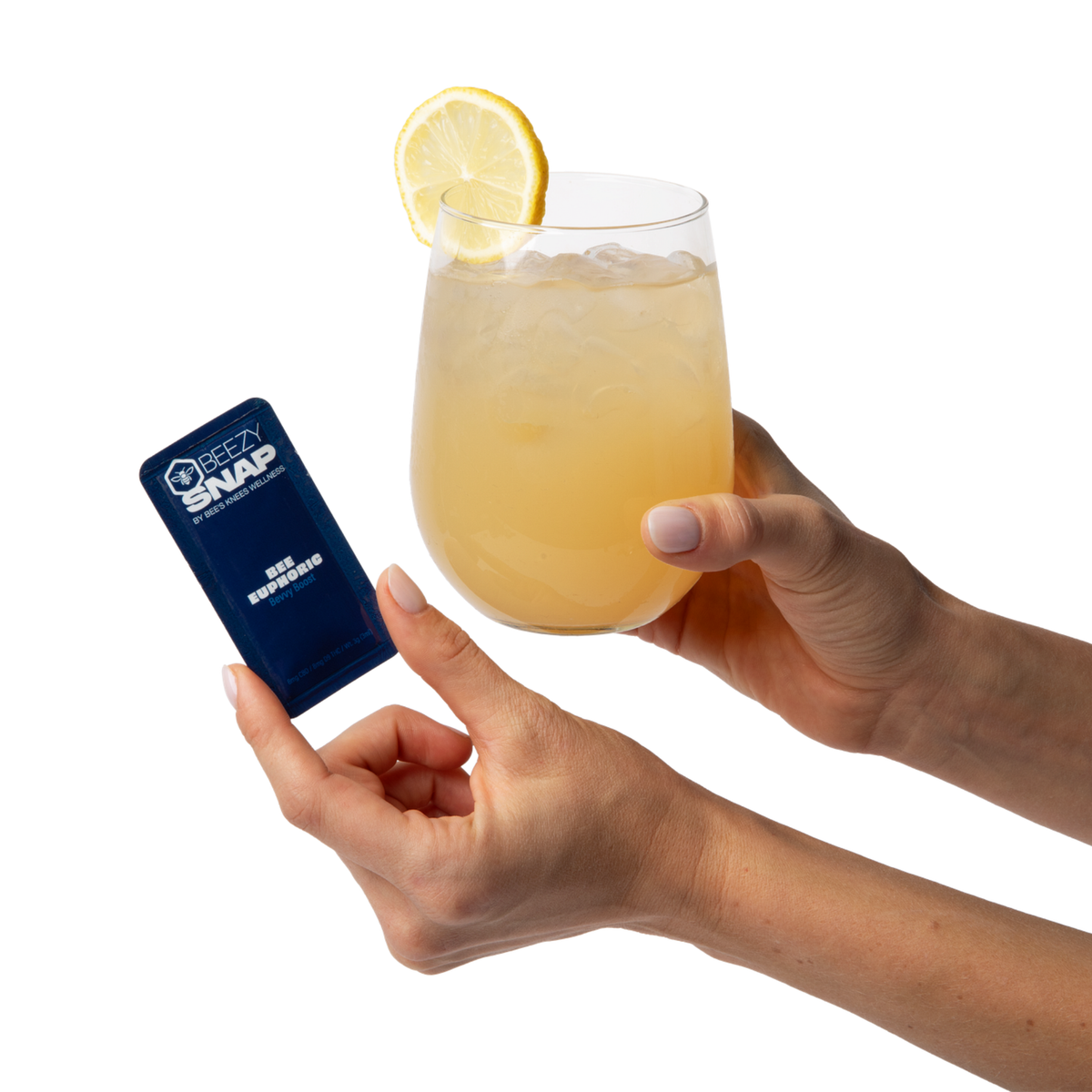
Where Does the Hemp in Your THC Drink Mixer Come From?
Introduction — A Question Most People Never Think to Ask
Most people evaluating a THC drink mixer look at potency, flavor, and price — reasonable things to check, but they skip over a more fundamental question entirely: where did the hemp actually come from? The farm, the soil, the growing practices, and the extraction process all shape the final product long before it ever reaches a bottle, yet almost none of it is visible from the outside of the packaging.

For a category built around portable, precisely dosed additives like BEEZY SNAPS, sourcing isn’t a minor detail — it’s the foundation everything else is built on. Here’s what actually happens between the field and the final product, and why it’s worth understanding before you decide which brand earns a spot in your routine.
The Journey From Farm to Extract
Hemp destined for a THC beverage additive starts as a crop grown specifically for its cannabinoid content, cultivated under practices meant to maximize both potency and purity. After harvest, the plant material goes through a drying and curing process, then extraction, where cannabinoids like delta-9 THC and CBD are pulled out of the raw plant material and concentrated into a usable form.
Every step in this chain — how the plant was grown, how it was dried, how it was extracted — introduces variables that affect the purity and consistency of what eventually ends up in a finished product. A shortcut or a lower standard at any single stage can compromise everything that comes after it, regardless of how polished the final packaging looks.
Domestic vs Imported Hemp: Why It Matters
Hemp grown in the United States is subject to specific state and federal agricultural regulations, including oversight of pesticide use and cultivation practices under frameworks tied to the 2018 Farm Bill. Imported hemp, depending on its country of origin, may be grown under significantly different — and sometimes far less strict — agricultural standards, with less consistent oversight of what’s used on the crop during growth.
This doesn’t automatically mean every imported hemp source is problematic, but it does mean domestic sourcing is generally easier to verify and trace, simply because the regulatory framework governing it is more consistent and better documented. Brands that source domestically and are willing to say so directly are giving you something concrete to evaluate, rather than asking you to take sourcing quality on faith.
How Growing Conditions Affect the Final Product
Hemp is what’s known as a bioaccumulator, meaning it readily absorbs whatever is present in the soil it’s grown in — including heavy metals, if the soil contains them. This is one of the more overlooked risks in the hemp industry: a plant grown in contaminated soil can pull those contaminants directly into its tissue, and from there, into any extract made from it.

This is exactly why soil quality and growing region matter as much as the extraction process itself. A hemp plant grown in well-managed, tested agricultural soil starts the entire production chain from a cleaner baseline than one grown in poorly regulated or contaminated conditions, regardless of how sophisticated the extraction technology used afterward might be.
Extraction: Turning Raw Hemp Into Usable THC
Once harvested, hemp goes through an extraction process to isolate and concentrate its cannabinoids. Different extraction methods — including CO2 extraction, ethanol extraction, and others — vary in cost, efficiency, and the purity of the resulting extract. Higher-quality extraction methods tend to produce cleaner concentrates with fewer residual solvents or unwanted plant compounds carried through into the final product.
For a precisely dosed format like a THC and CBD beverage booster, extraction quality is especially important, since the entire product depends on consistent, accurate cannabinoid concentration from batch to batch. Inconsistent extraction leads directly to inconsistent dosing, which undermines the entire point of a product designed around dose control.
Why Sourcing Transparency Is Rare in This Industry
The hemp beverage additive space, like much of the broader hemp industry, is still relatively young and inconsistently regulated compared to more established consumer product categories. That means sourcing transparency is largely voluntary — there’s no universal requirement forcing every brand to disclose where their raw hemp comes from or how it was grown.
This puts more responsibility on the shopper to seek out brands that volunteer this information rather than assuming any product on the market has been through the same level of scrutiny. It’s a legitimate reason to favor brands that talk openly about their supply chain over ones that stay vague about it.
What a Portable THC Booster Format Requires From Its Hemp
A format designed to be dropped into any drink — a snap-open capsule rather than a pre-mixed can — requires an especially concentrated, precisely measured hemp-derived extract. There’s very little room for inconsistency in a format this small and this precisely dosed; even minor variability in raw material quality can throw off the balance of a product built around an exact ratio, like the 1:1 delta-9 THC to full-spectrum CBD blend found in BEEZY SNAPS’ formulation.
This is part of why sourcing quality and extraction precision matter even more for a concentrated, portable format than they might for a more diluted, pre-mixed beverage — there’s simply less product volume to absorb any inconsistency in the raw material.
How to Actually Verify Where Your Hemp Comes From
Start by checking whether a brand discloses its sourcing directly, either on its website or through direct customer inquiry. A brand willing to talk specifically about where its hemp is grown, and under what agricultural standards, is giving you something verifiable rather than a vague assurance of “premium” or “quality” sourcing that doesn’t actually tell you anything.

From there, cross-reference that claim with the brand’s lab testing. Certificates of analysis that specifically test for heavy metals and pesticide residue are one of the clearest ways to confirm that a brand’s sourcing claims hold up under actual scrutiny, rather than just marketing language.
The Connection Between Sourcing and Lab Testing
Sourcing and lab testing aren’t separate concerns — they’re two ends of the same accountability chain. Good sourcing gives a product a clean starting point; rigorous lab testing verifies that the final product actually reflects that clean starting point, free of contamination that could have been introduced anywhere along the way, from soil to extraction to bottling.
A brand that publishes full Certificates of Analysis is giving you the ability to verify both ends of that chain yourself, rather than asking you to trust marketing claims about sourcing without any way to confirm them independently.
What Good Sourcing Looks Like in Practice
In practice, good sourcing looks like a brand that can specifically name where its hemp is grown, describe the agricultural standards it’s held to, and back that up with lab results that test for the contaminants associated with poor growing conditions — heavy metals, pesticide residue, and microbial contamination. It’s the combination of a clear answer and verifiable proof, not just one or the other.
It’s a reasonable standard to hold any hemp-derived product to, and it’s worth using as a filter the next time you’re comparing THC beverage additives or any other hemp-derived product making its way into your daily routine.
Why This Matters More for a Portable, Everyday Product
A product designed to travel with you and drop into any drink, wherever you happen to be, is held to a different practical standard than a product you only use at home. Something meant to go in a carry-on, a beach bag, or a desk drawer needs to hold up to temperature fluctuations and time without degrading in potency or purity — which circles back to sourcing and manufacturing quality as the real foundation of a genuinely reliable everyday product.
This is part of why understanding a product’s origin story matters even for something as small and simple-looking as a single snap-open capsule. The convenience of the format shouldn’t come at the cost of scrutiny — if anything, a concentrated, portable product deserves more attention to its sourcing, not less, precisely because there’s less room for error in something this precisely measured. Checking a brand’s full story, from how BEEZY SNAPS describes its own development and standards, is worth doing before it becomes a daily habit rather than after.
Conclusion — The Ingredient List Starts Long Before the Bottle
The quality of a THC drink mixer isn’t determined at the bottling stage — it’s determined months earlier, in the soil a hemp plant was grown in and the standards it was held to throughout cultivation and extraction. Sourcing transparency is still more the exception than the rule in this industry, which makes it a genuinely useful filter for identifying brands that take quality seriously. Asking where the hemp actually comes from is a simple question, but it’s one of the most revealing ones you can ask.

A Simple Framework for Any Future Purchase
The specific questions in this guide apply well beyond a single purchase decision — they’re a reusable framework for evaluating any hemp-derived product you come across in the future. Ask where it’s grown, ask how it’s extracted, and ask for the paperwork that proves both claims. If a brand can answer all three clearly and specifically, it’s cleared the most important bar. If it can’t, that’s meaningful information in itself, regardless of how good the marketing looks. Reviewing the full FAQ page for any brand you’re considering is a quick way to see how much of this information is proactively offered before you even have to ask.
FAQs
Why does it matter where hemp is grown for a THC drink mixer?
Hemp absorbs whatever is present in its growing soil, including contaminants like heavy metals. Growing conditions and agricultural standards directly affect the purity and safety of the final extract.
Is domestically grown hemp automatically safer than imported hemp?
Not automatically, but domestic hemp is generally grown under more consistent, better-documented regulatory oversight, which makes sourcing quality easier to verify.
How can I check if a hemp product’s sourcing claims are accurate?
Look for a brand that discloses its sourcing specifically and backs it up with third-party lab testing, particularly Certificates of Analysis that test for heavy metals and pesticide residue.
Does extraction method affect the quality of a THC beverage booster?
Yes. Extraction method affects the purity and consistency of the cannabinoid concentrate, which directly impacts how precisely a product can be dosed batch after batch.
What should I look for on a hemp product’s Certificate of Analysis?
Look for confirmed cannabinoid potency matching the label claim, along with clean results for heavy metals, pesticide residue, and microbial contamination.
Does organic certification matter for hemp used in THC products?
It can be a positive signal, since organic certification typically involves stricter oversight of pesticide use during cultivation, though it’s not the only factor — soil testing and extraction quality still matter just as much.
Does the color or appearance of a hemp extract indicate its quality?
Not reliably on its own. Color can vary based on extraction method and plant material without necessarily reflecting purity, which is why lab testing remains a more trustworthy indicator than visual appearance alone.
Read more

Introduction — A Question Worth Asking Before You Snap One Open THC drink mixers have become a popular, low-commitment way to add a light lift to any beverage, but one question comes up constantly ...
Introduction: The Hardest Part of the Day Is Often the Transition For a lot of people, the actual workday isn’t the hardest part. It’s the twenty minutes after it ends, when your brain is ...