
What “Hemp-Derived” Really Means on a THC Drink Label
Introduction: A Label That Gets Misunderstood More Than It Should
If you’ve picked up a THC beverage recently, you’ve probably noticed the phrase “hemp-derived” printed somewhere on the can. It sounds simple enough, but it’s also one of the most misunderstood terms in the entire cannabis beverage category. Some people assume it means “not really THC.” Others assume it’s a legal loophole with no real oversight. Neither is quite right.
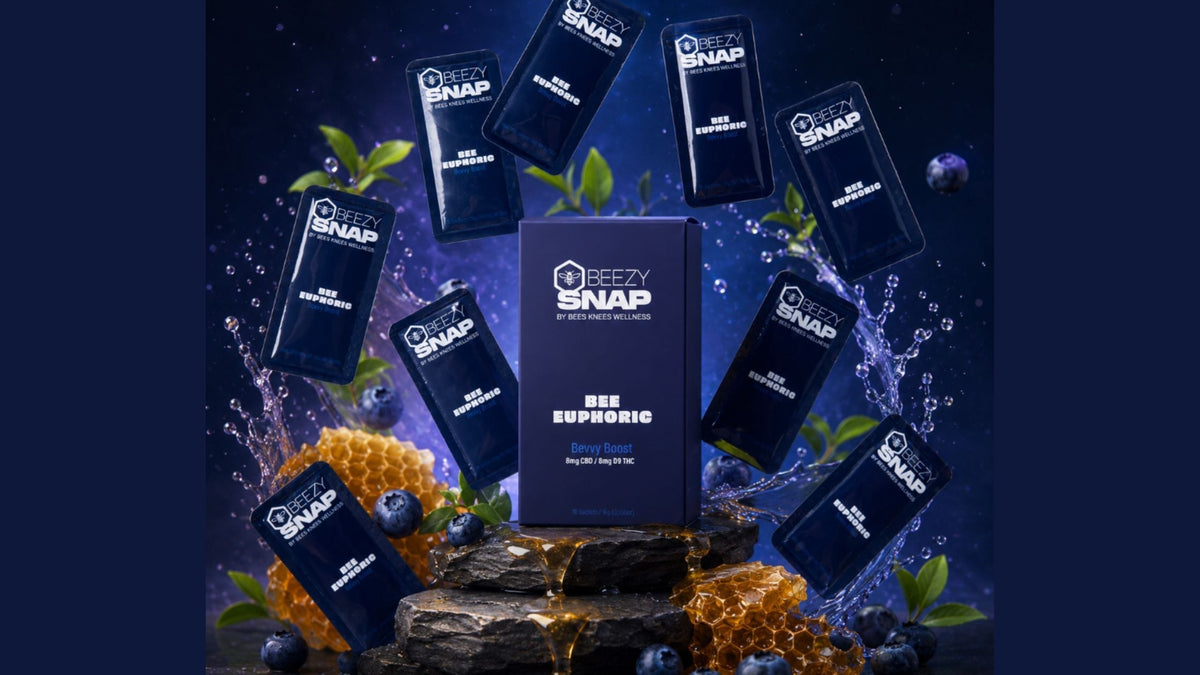
 Understanding what “hemp-derived” actually means — legally, chemically, and practically — makes it a lot easier to shop with confidence. Products like BEEZY SNAPS, a pocket-sized hemp-derived THC and CBD drink enhancer, are a good example of exactly what this label means in practice, and what it doesn’t.
What “Hemp-Derived” Actually Means
“Hemp-derived” refers to THC that is extracted or synthesized from hemp plants, rather than from traditional marijuana plants. Hemp and marijuana are both varieties of the cannabis plant, but they’re legally distinguished by one specific factor: the concentration of Delta-9 THC in the dry plant material.
Hemp is legally defined as cannabis containing no more than 0.3% Delta-9 THC by dry weight. Anything above that threshold is legally classified as marijuana. This single number is the entire basis for the modern hemp beverage industry, and it’s why you can find THC-infused drinks shipped nationwide in a way that traditional marijuana products simply cannot be.
The 2018 Farm Bill Explained in Plain English
The legal foundation behind “hemp-derived” products is the 2018 Farm Bill, a piece of federal legislation that removed hemp — defined as cannabis with no more than 0.3% Delta-9 THC by dry weight — from the federal list of controlled substances.
In plain terms, this created a legal pathway for hemp-derived products, including THC beverages, to be manufactured, sold, and shipped across state lines, provided they stay within that 0.3% threshold and comply with any additional state-specific regulations. This is the exact legal basis that allows a product like BEEZY SNAPS to be sold as a federally legal hemp-derived THC drink across most of the country.
Hemp-Derived vs Marijuana-Derived: What’s the Real Difference?
This is where a lot of the confusion starts. The plant source and the chemical compound can be identical — Delta-9 THC is Delta-9 THC, regardless of which plant it came from. The difference is purely about concentration and legal classification, not some fundamentally different or “weaker” version of THC.
A few key distinctions worth understanding:
• Hemp-derived THC products must stay at or below 0.3% Delta-9 THC by dry weight of the plant material, which is regulated federally under the Farm Bill
• Marijuana-derived THC products typically contain much higher concentrations and are regulated at the state level through licensed dispensary systems
• The resulting experience from hemp-derived THC in a properly dosed beverage can still be a genuine, noticeable effect — the 0.3% threshold refers to the raw plant material, not the finished milligram dose in your can or snap
This last point trips a lot of people up. A 0.3% concentration in the raw hemp plant doesn’t mean the finished product is weak — manufacturers extract and concentrate that THC to formulate specific, precise milligram doses, like the 4mg or 8mg options offered per BEEZY SNAPS serving.
Why Delta-9 THC Can Legally Appear on a Hemp Label
Many shoppers are surprised to see “Delta-9 THC” printed directly on a hemp product, since Delta-9 is the same compound most associated with traditional marijuana. The reason it’s allowed comes back to that 0.3% threshold in the source plant material, not the compound itself being somehow different or synthetic.
As long as manufacturers can document that their Delta-9 THC was extracted from hemp meeting the legal definition, and that the final product complies with relevant state laws, they can legally formulate and sell beverages, snaps, and other beverage enhancers containing real, effective doses of Delta-9 THC.

What “Hemp-Derived” Does Not Mean
It’s just as important to understand what this label isn’t telling you:
• It does not mean the product is non-intoxicating — hemp-derived Delta-9 THC still produces real, noticeable effects
• It does not mean the product is automatically legal in every single state, since some states have passed additional restrictions beyond federal law
• It does not mean lower quality or lower potency compared to marijuana-derived products
• It does not exempt the product from responsible-use guidelines around age, driving, or mixing with alcohol
Treating a hemp-derived THC drink with the same care and awareness you’d apply to any other intoxicating product is simply the responsible approach, regardless of which plant the THC originally came from.
How to Read a THC Drink Label Like a Smart Shopper
A well-labeled hemp-derived THC product should give you everything you need to make an informed decision, without requiring a chemistry degree to interpret it. Look for:
• Milligrams of Delta-9 THC per serving, clearly stated, not buried in fine print
• Confirmation of hemp-derived status with reference to the 0.3% Farm Bill threshold
• A CBD ratio, if applicable, since many hemp-derived products, including BEEZY SNAPS, pair THC with full-spectrum CBD for a smoother, more balanced experience
• A link to lab results or Certificates of Analysis (COAs), so you can verify what’s actually in the product
Reviewing the COAs for a specific batch is one of the most reliable ways to confirm that what’s on the label matches what’s actually in the bottle.
Why Third-Party Testing Matters More Than the Word “Hemp”
The word “hemp-derived” tells you about legal classification, but it doesn’t tell you anything about quality or consistency on its own. That’s where third-party lab testing becomes essential. A reputable brand will publish independent Certificate of Analysis reports confirming:
• The actual THC and CBD content matches what’s stated on the label
• The product is free from harmful contaminants like heavy metals, pesticides, or residual solvents
• Batch-to-batch consistency, so the effects you experience are predictable over time
When shopping for any hemp-derived THC product, prioritize brands that make this testing data easy to find and review, rather than brands that simply lean on the word “hemp-derived” as a marketing shortcut.
How Hemp-Derived THC Fits Into a Daily Lifestyle
Because hemp-derived THC products are federally legal and shippable nationwide where state law permits, they’ve become a genuinely practical option for adults looking to add a controllable, low-key lift to an existing routine — whether that’s a weekend cocktail, a relaxed evening drink, or a low-dose way to unwind after a long day. The portability of a format like a small snap-open capsule makes it easy to incorporate into whatever you’re already drinking, rather than requiring a dedicated product just for this purpose.

Choosing the Right Format and Strength
Hemp-derived THC now comes in far more formats than just a pre-mixed can, including drink boosters, gummies, and tinctures. When choosing a format:
• Consider whether you want to add THC to a drink you already enjoy, or prefer a pre-made beverage
• Start with a lower milligram strength if you’re newer to hemp-derived THC products
• Look for options that let you control your own dose incrementally, like starting with one snap before deciding whether to add a second
Beginners are generally well served starting with a lower-strength option and adjusting gradually, rather than assuming a higher milligram count automatically means a better experience. You can compare the 4mg and 8mg BEEZY SNAPS options directly to see which strength fits your experience level.
Common Myths About “Hemp-Derived” THC Labels
Because the category is relatively new to a lot of shoppers, a handful of myths keep circulating that are worth clearing up directly:
• “Hemp-derived means it’s basically CBD, not real THC.” This isn’t accurate. Hemp-derived Delta-9 THC is the same molecule found in marijuana-derived products, and it produces genuine intoxicating effects at an effective dose.
• “It’s a legal gray area that could disappear any day.” The 2018 Farm Bill created a specific, standing federal framework for hemp, including hemp-derived THC, that has remained in place for years and continues to support a large, established industry.
• “All hemp-derived products are the same quality.” Quality varies significantly between brands. The hemp-derived classification only describes the legal sourcing, not the manufacturing standards, dosing accuracy, or testing rigor behind any individual product.
• “Hemp-derived products can’t get you as high as dispensary products.” Potency depends on the manufactured dose, not the plant source. A well-formulated hemp-derived product can deliver a strength comparable to many dispensary options, which is exactly why dosing transparency matters so much.

Why This Matters for Shoppers Comparing Products Online
When you’re comparing hemp-derived THC products across different brands and websites, the “hemp-derived” label alone tells you almost nothing about which product is actually better. Two products can carry the same label and be worlds apart in formulation quality, dosing accuracy, and testing rigor.
This is why savvy shoppers look past the headline label and dig into the specifics:
• Exact milligram dosing per serving, not just a general “THC infused” claim
• Whether the brand publishes batch-specific lab results or just a general compliance statement
• Whether the CBD-to-THC ratio, if applicable, is clearly disclosed
• Real customer reviews describing consistency across multiple orders, not just a single purchase
Treating “hemp-derived” as a starting point for further research, rather than a complete answer on its own, is the single best habit for shopping this category confidently.
A Quick Glossary for Reading THC Drink Labels
A few additional terms commonly appear alongside “hemp-derived” on THC beverage and drink-enhancer labels, and understanding them rounds out the full picture:
• Delta-9 THC: The primary intoxicating compound found in cannabis, whether sourced from hemp or marijuana
• Full-spectrum CBD: A CBD extract that retains a broader range of naturally occurring hemp compounds, often paired with THC for a smoother, more balanced experience
• Certificate of Analysis (COA): An independent lab report verifying a product’s actual potency and purity
• Dry weight basis: The specific measurement standard — 0.3% Delta-9 THC by dry weight — that legally defines hemp under the Farm Bill
Keeping these terms straight makes it much easier to compare products accurately instead of relying on marketing language alone.
Conclusion
“Hemp-derived” isn’t a euphemism, a loophole, or a sign of a weaker product — it’s a specific legal classification tied to the 0.3% Delta-9 THC threshold established by the 2018 Farm Bill. Understanding that distinction helps you shop with real confidence, focus on what actually matters — milligram dosing, third-party testing, and responsible use — rather than getting distracted by label language alone.
If you’re ready to try a hemp-derived THC and CBD experience for yourself, you can shop BEEZY SNAPS online and choose the strength that fits your comfort level.
FAQs
1. Is hemp-derived THC the same compound as marijuana THC? Yes. Delta-9 THC is the same compound regardless of the plant source; the distinction is legal and based on the concentration in the raw plant material, not a chemical difference.
2. Is hemp-derived THC legal everywhere? It’s federally legal under the 2018 Farm Bill, but some states have added their own restrictions, so it’s worth confirming legality in your specific state before ordering.
3. Does hemp-derived mean the product won’t get you intoxicated? No. Hemp-derived Delta-9 THC products, including BEEZY SNAPS, are intoxicating and should be used responsibly, starting with a lower dose if you’re new to them.
4. How do I know a hemp-derived THC product is high quality? Look for published third-party lab results or Certificates of Analysis confirming potency, purity, and consistency, rather than relying on label language alone.
5. Can I add a hemp-derived THC product to alcoholic drinks? Some products, like BEEZY SNAPS, are designed to work in any drink, including cocktails, though combining THC and alcohol should always be approached carefully and in moderation.
6. What’s the difference between a 4mg and 8mg hemp-derived THC dose? A 4mg dose is generally considered a gentler starting point for beginners, while an 8mg dose delivers a fuller effect for those with more experience or a higher tolerance.
Read more
Introduction: The Hardest Part of the Day Is Often the Transition For a lot of people, the actual workday isn’t the hardest part. It’s the twenty minutes after it ends, when your brain is ...
Introduction: The Question Nobody Asks Until After the Munchies Hit Most people have heard the jokes about cannabis and the munchies long before they ever try a THC product themselves. But ...