Master Class in THC Mocktails: How to Formulate Craft Non-Alcoholic Drinks Without Altering Their Flavor Profiles
Introduction — The Death of the Virgin Mocktail and the Birth of Craft Liquid Artistry
For decades, entering a commercial hospitality establishment as a non-drinker meant enduring a deeply uninspiring sensory experience. If you requested an alternative to alcohol, you were almost universally presented with what was patronizingly termed a "virgin" cocktail—which invariably consisted of an uninspired, cloyingly sweet combination of commercial cranberry juice, synthetic grenadine, and flat ginger ale. These drinks lacked complexity, sophistication, and structural balance. They were viewed as an afterthought by bartenders and a source of social alienation for consumers who felt isolated holding a neon-colored glass that screamed "child's beverage" in a room full of sophisticated adult spirits.

Thankfully, the modern culinary and mixology worlds have undergone a dramatic awakening. The contemporary craft mocktail revolution is built on the premise that a non-alcoholic drink should be treated with the exact same level of respect, rigor, and artistic complexity as a rare single-malt scotch or a perfectly balanced pre-prohibition cocktail. Modern beverage directors are actively leveraging advanced culinary techniques—utilizing house-made botanical distillates, complex bittering agents, cold-pressed vegetable elixirs, shrubs, vinegars, and smoked garnishes—to construct flavor profiles that challenge and delight the palate. These drinks are designed to be sipped slowly, paired intentionally with high-end food menus, and appreciated for their nuanced layers of flavor.
However, as hosts and mixologists attempt to elevate these premium non-alcoholic creations by adding a functional, mindful buzz through cannabinoids, they frequently encounter an enormous hurdle: maintaining the pristine flavor and visual clarity of their drinks. Traditional methods of cannabis infusion often completely destroy the delicate culinary balances that artisans work so hard to achieve. To overcome these issues and execute flawless menu integrations, operators must utilize highly specialized, professional formulation services that respect the precise chemical structures of premium mixology. Reviewing our advanced production services allows beverage managers to transition seamlessly into the future of functional menu design.
The Physical Chemistry of Infusion: Why Oil Tinctures Ruin Craft Drinks
To successfully integrate functional hemp-derived compounds into high-end THC mocktail recipes, one must first understand the basic physical chemistry of liquid mediums. Standard cannabis or hemp extracts are naturally fat-soluble oils. When a bartender attempts to infuse a craft mocktail using a traditional oil-based tincture or an unrefined isolate, they are fighting an uphill battle against the laws of physics. Because oil is hydrophobic, it cannot dissolve into water-based liquids like juices, tonics, or syrups. Instead, the oil rapidly separates from the rest of the drink, floating directly to the surface to form unappealing, greasy droplets across the top of the glass. This failure can turn a zero-calorie alcohol replacement strategy into an unappealing, oil-slicked mess.
This separation utterly ruins the drink on multiple levels. Visually, it destroys the pristine clarity, elegant micro-foams, or velvet textures that define a beautifully executed cocktail. Experientially, it creates a highly unpleasant sensory delivery. The guest's very first sip consists almost entirely of concentrated, bitter cannabinoid oil that coats the lips and tongue with an unctuous, unappealing film. Meanwhile, the remainder of the drink contains almost zero functional ingredients, rendering the dosage completely uneven. Furthermore, unrefined hemp oils carry a powerful, intensely earthy, and grassy flavor profile. This dominant botanical note acts like a sledgehammer on the palate, completely obliterating subtle flavor notes such as delicate elderflower, crisp cucumber, soft lavender, or nuanced citrus oils.

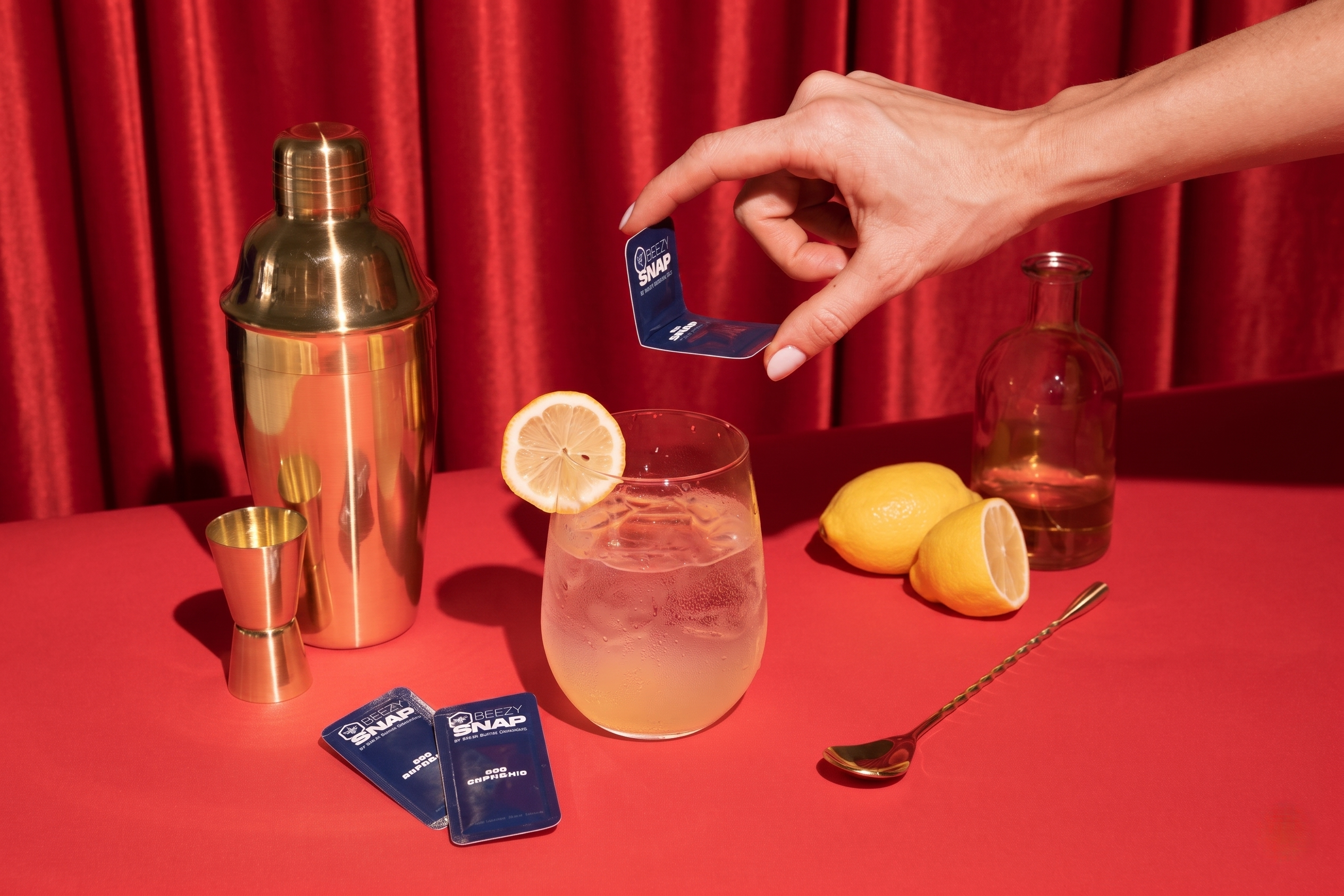
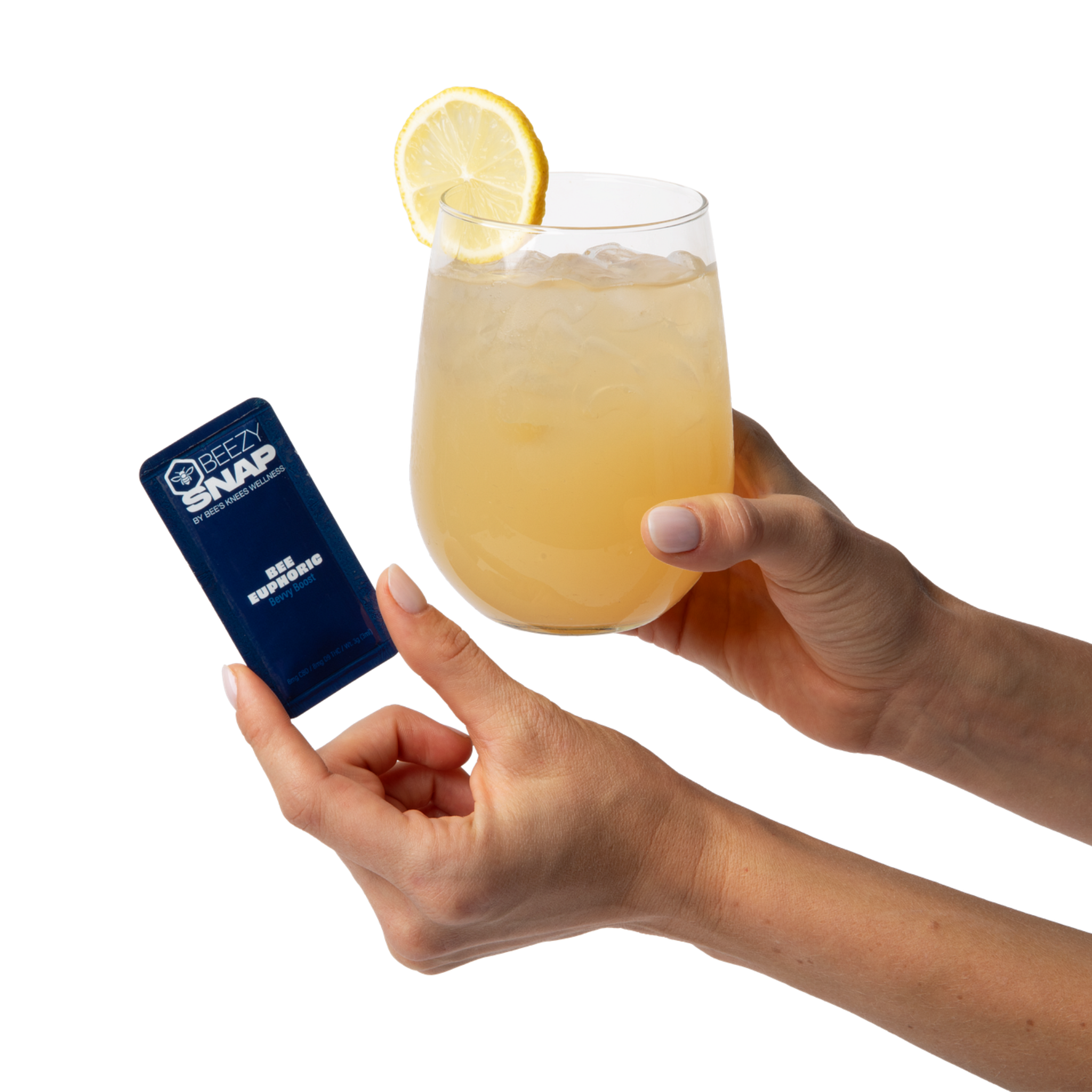
To preserve the absolute perfection of a craft beverage menu, the active cannabinoids must be delivered via an engineered, water-soluble hemp-derived liquid emulsion. By selecting an advanced, flavor-neutral beezy snaps infusion system, mixologists can completely bypass the failures of oil-based products. Because the cannabinoid particles are broken down to a microscopic scale, they dissolve instantly and completely into any liquid matrix. The drink retains its beautiful visual clarity, its exact engineered texture, and its authentic flavor profile from the very first sip to the final drop, ensuring that the functional infusion works in complete harmony with the culinary art. Relying on the stability of a beezy snaps solution protects the structural integrity of your liquid creations.
The Mixologist's Flavor Matrix: Three Master Recipe Frameworks
To demonstrate the flawless utility of a flavor-neutral cannabis drink mixer, let us explore three distinct, professional-grade master mocktail frameworks designed to showcase how advanced emulsions preserve and enhance complex flavor matrices.
1. The Herbal/Botanical Profile: "The Garden Snap"
This framework is designed to highlight crisp, refreshing, and garden-fresh flavor profiles, making it an exceptional option for spring and summer menus. Because there is zero oily residue or heavy hemp taste, the bright, clean herbs remain the absolute stars of the show.
-
Ingredients: 2 oz fresh cold-pressed cucumber juice, 0.75 oz fresh pressed lime juice, 0.5 oz house-made Thai basil simple syrup, 3 oz premium elderflower tonic water, 1 packet of flavor-neutral beezy snaps liquid beverage booster.
-
Execution: Combine the fresh cucumber juice, lime juice, and Thai basil syrup in a heavy crystal mixing glass filled with axial cracked ice. Snap the liquid cannabinoid booster and add it directly into the mixing matrix. Stir smoothly for exactly 20 seconds to achieve perfect chilling and dilution. Double strain the liquid over a single large cube of clear ice into a chilled highball glass. Top gently with the elderflower tonic water, stir once from the bottom to integrate, and garnish with an aromatic sprig of slapped Thai basil and a dehydrated lime wheel.
2. The Citrus/Acid Profile: "The Velvet Crimson"
This recipe leverages sharp, vibrant acids balanced by deep, earthy orchard fruit notes. A clean water-soluble booster ensures that the vibrant colors and structured layers of acid do not curdle or separate.
-
Ingredients: 1.5 oz fresh blood orange juice, 1 oz data-verified yuzu juice, 0.75 oz organic agave nectar, a dash of orange blossom water, 2 oz sparkling mineral water, 1 packet of liquid beverage booster.
-
Execution: In a professional cobbler shaker filled with cubed ice, combine the blood orange juice, yuzu, agave, and orange blossom water. Snap and add the liquid enhancer directly into the shaker. Shake vigorously for 12 seconds to aerate and emulsify the fresh citrus oils. Strain cleanly into a coupe glass. Top with the sparkling mineral water to release the aromatic citrus volatiles. Garnish with a fresh rosemary sprig that has been briefly torched to release its essential oils.
3. The Bitter/Complex Profile: "The Smoked Obsidian"
For individuals who miss the deep, contemplative bitterness of classic drinks like the Negroni or Manhattan, this recipe utilizes non-alcoholic bitters and smoked elements to challenge the palate with profound depth.
-
Ingredients: 2 oz non-alcoholic cold-distilled juniper botanical spirit, 1 oz premium non-alcoholic Italian aperitivo bitter, 0.5 oz fresh pomegranate reduction, 2 dashes of alcohol-free aromatic bitters, 1 packet of liquid beverage booster.
-
Execution: Combine all ingredients into a mixing glass with clear ice cubes. Snap and add the booster. Stir patiently for 30 seconds to allow the pomegranate reduction to blend seamlessly with the botanical spirit. Strain into a rocks glass over a hand-carved ice sphere. Express a fresh orange peel over the glass, singe the edges with a match, and drop the peel into the drink. If available, place the glass inside a smoking cloche with cherrywood smoke for 10 seconds before serving.

Hospitality Dosing and Responsible Event Hosting Protocols
As craft cannabinoid mocktails transition from personal novelties to central features at dinner parties, weddings, and commercial hospitality events, responsible hosting protocols must be strictly established. Unlike alcohol, where consumption speed is visually measured by empty glassware and a well-understood behavioral curve, cannabinoid beverages require clear communication and precise operational structures to guarantee that all guests enjoy a completely safe, relaxed, and premium experience.
The golden rule of hosting an infused gathering is absolute transparency. Guests should never be put in a position where they guess whether a drink contains active ingredients. Every event should feature a dedicated menu that explicitly states the exact milligram dosage of active compounds present in each drink. Furthermore, when batching large quantities of cocktails for an event, mixologists must never simply dump bulk cannabinoid products into a large punch bowl. This careless approach causes uneven settling, resulting in some guests receiving zero active ingredients while others receive a highly concentrated, overwhelming dose. Instead, large batches should be prepared completely alcohol-free, and the precise liquid snap packets should be added individually to each glass as it is served. To ensure your private event or commercial establishment is fully equipped with the proper materials, tools, and technical guides, organizers should reach out directly to our commercial contact desk for professional consulting and structural support. Using our strategic contact portal guarantees your mixology workflow remains perfectly compliant and flawlessly executed.

Conclusion — Seamless Integration for the Modern Bar and Home Host
The ultimate goal of modern mixology is to craft experiences that bring people together through exceptional flavor, beautiful presentation, and shared connection. By integrating advanced, water-soluble, flavor-neutral cannabinoid enhancers into premium non-alcoholic drink frameworks, you create an inclusive environment where wellness and luxury coexist seamlessly. You provide your guests with a sophisticated alternative that honors their palate, protects their health, and delivers a clean, mindful social buzz that elevates any occasion. For specialized answers to complex bar programming inquiries, do not hesitate to open a line with our technical contact department today.
FAQs
Why do traditional oil-based cannabis tinctures fail when used in high-end mixology?
Cannabinoid oils are hydrophobic, meaning they cannot integrate with water-based ingredients like juice, tonic, or syrup. When added to a cocktail, the oil immediately separates and forms a greasy layer on the surface. This destroys the visual presentation, leaves an unappealing film on the consumer's lips, and creates an uneven dosage where the first sip contains all the active ingredients and the rest contains none. It also introduces a heavy, grassy taste that overpowers delicate flavor notes.
Can water-soluble liquid enhancers be safely added to egg-white or aquafaba foam cocktails?
Yes. Because high-quality liquid enhancers dissolve completely on a molecular level without changing the surface tension or adding dense fats, they will not compromise the stability or volume of delicate artisanal foams, allowing you to create beautiful, airy styles flawlessly.
What is the best way to handle batching and service for a large cocktail party?
Never mix bulk cannabinoid infusions directly into large pitchers or punch bowls, as uneven distribution can occur. Instead, pre-mix the non-alcoholic bases in bulk, and then open and add individual, precisely measured liquid snap packets directly into each glass during final assembly at the bar. This guarantees perfect dosage control and absolute safety for every guest.